

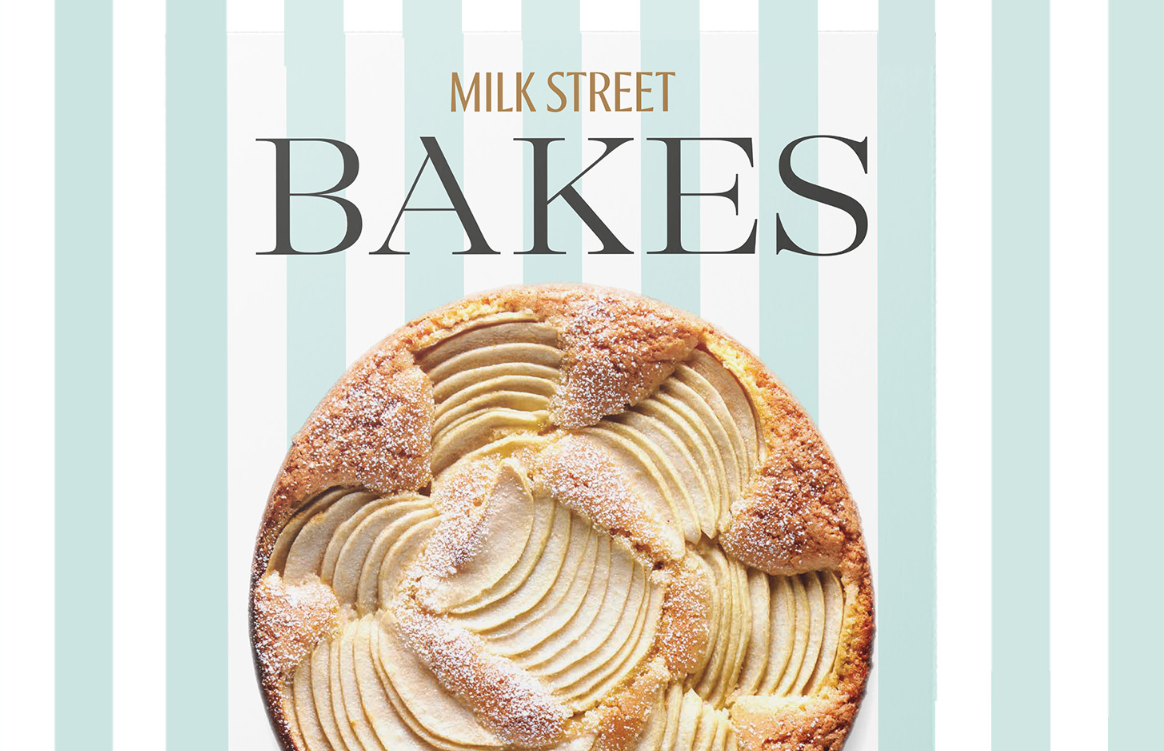
For much of a lifetime, cooking can feel like inheritance. The flavors of childhood, the dishes repeated week after week, and the rhythms of a familiar place quietly shape how food is understood. In this world, cooking is rooted in continuity and tradition, built on technique and repetition rather than experimentation. Over time, that sense of certainty can feel complete, even comforting.
Then exposure to food from elsewhere begins to gently unsettle those assumptions. A single meal can introduce unfamiliar balance, new ways of layering flavor, and a different relationship to ingredients. The discovery is not about novelty for its own sake, but about realizing how many practical, generous ideas exist beyond one’s own kitchen. That moment of curiosity, when food stops feeling owned and starts feeling shared, sits at the heart of Milk Street’s philosophy.
TL;DR

Milk Street approaches cooking as a shared, practical craft rather than a cultural boundary, focusing on techniques, flavors, and ideas from around the world that are adapted for confident home cooking and everyday enjoyment.
From Familiar Kitchens to Open Tables

Many people grow up believing recipes belong to specific places and people, guarded by tradition and geography. Cooking from elsewhere can feel like imitation rather than participation. Milk Street challenges that idea by treating food as a universal language shaped by daily life rather than identity labels.
The focus is not on preserving dishes exactly as they were first cooked, but on understanding why they work. Balance, texture, heat, acidity, and timing are kitchen values that translate easily across borders. When cooks learn these principles, they gain freedom rather than rules.
This way of thinking allows cooks to move confidently between cuisines without feeling like outsiders. It reframes global recipes as practical solutions developed by home cooks everywhere, facing the same question each day, what should we make for dinner.
Cooking as Craft, Not Category

Milk Street approaches food as craft rather than category. Instead of organizing recipes by nationality, it emphasizes technique and outcome. A method learned in one place can improve a dish made somewhere else. A seasoning approach discovered abroad can quietly elevate a familiar staple.
This philosophy removes pressure from the kitchen. Cooking becomes less about authenticity and more about effectiveness. What matters is whether the food tastes good, feels balanced, and can be made again without stress.
For many cooks, this shift is liberating. It replaces hesitation with confidence and encourages experimentation grounded in understanding. Home cooking becomes a place of learning rather than performance.
Learning That Builds Confidence

Education plays a central role in this approach. Through its cooking school, Milk Street emphasizes how to think rather than what to memorize. Classes focus on skills that carry forward, knife work, timing, seasoning, and structure.
Virtual classes make this learning accessible regardless of location. Short sessions introduce core ideas, while longer workshops and intensives allow cooks to practice and refine techniques over time. The emphasis remains on clarity and usefulness rather than complexity.
Students are encouraged to ask questions, adapt recipes, and trust their instincts. The goal is not to follow instructions perfectly, but to understand them well enough to improvise when needed. This mindset strengthens home cooking far beyond a single dish.
A Place Where Ideas Travel

Milk Street operates from a physical space that brings together editors, instructors, and creators, but its reach extends far beyond one location. Recipes and techniques are gathered from kitchens around the world, tested rigorously, and adapted so they work reliably at home.
This process respects the origin of ideas without freezing them in place. Adjustments are made for accessibility, clarity, and repeatability. The result is food that feels both exciting and achievable. Over time, this creates a living collection of recipes that reflect real kitchens rather than ideals. Cooks are invited to take what works, leave what does not, and continue refining dishes as part of their own routines.
Why This Approach Resonates
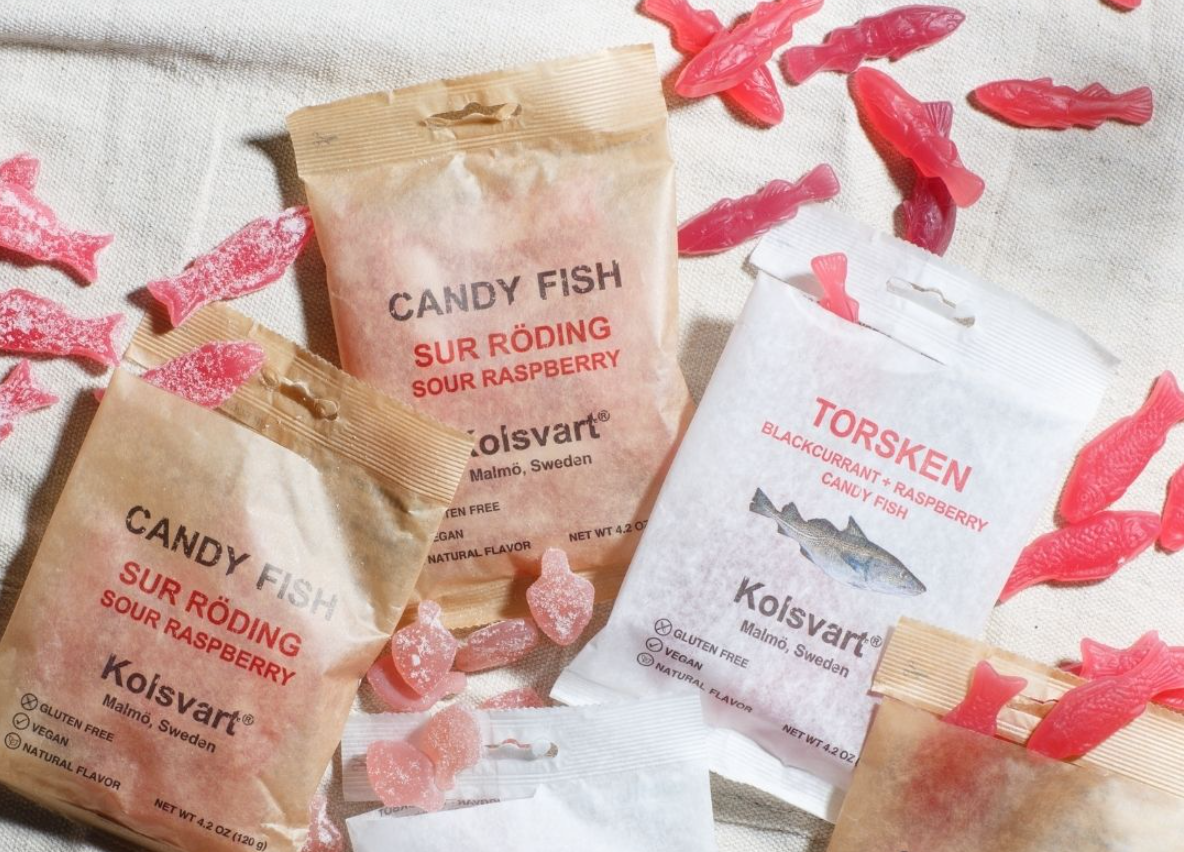
Many modern cooks feel overwhelmed by choices, trends, and expectations. Milk Street offers an alternative grounded in practicality and generosity. It does not ask cooks to abandon their traditions, only to expand them thoughtfully.
The emphasis on techniques and shared values allows cooks to build a personal repertoire that evolves naturally. Meals become less about novelty and more about satisfaction. Home cooking gains depth without becoming demanding.
This philosophy also reinforces the idea that good food belongs to everyone. It removes the hierarchy between cuisines and replaces it with curiosity and respect.
What Cooks Take With Them
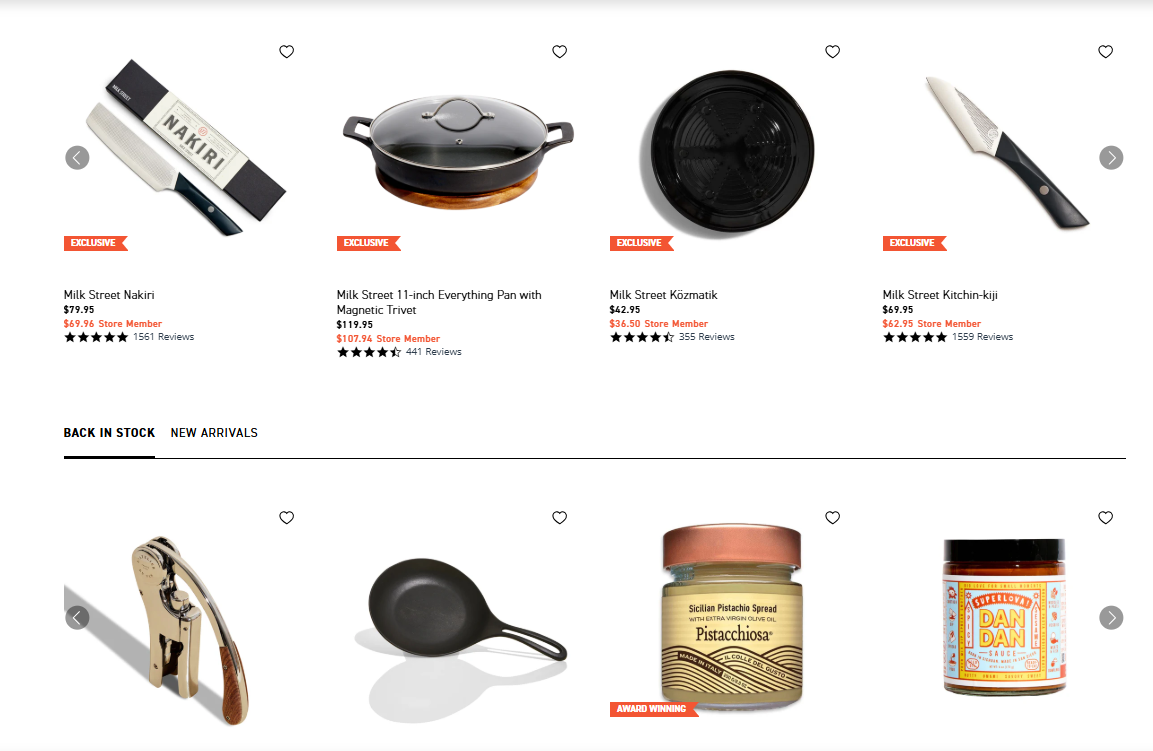
- Confidence to adapt recipes without losing balance
- Techniques that apply across many styles of food
- A calmer, more flexible approach to home cooking
- Practical skills that improve everyday meals
- Curiosity that replaces fear of unfamiliar flavors
A Gentler Way to Cook and Learn

Milk Street presents cooking as an ongoing conversation rather than a finished product. Each recipe is an invitation to learn something useful, whether that is a new way to season, a smarter method, or a clearer structure for building flavor.
For cooks who value continuity but welcome discovery, this approach feels grounding rather than disruptive. It allows traditions to remain intact while making room for growth. Over time, kitchens become places of confidence and quiet joy rather than obligation.
By focusing on shared kitchen values and adaptable techniques, Milk Street continues to reshape how people think about food. The result is home cooking that feels open, generous, and deeply human, rooted not in borders, but in the simple act of making something good to eat.