

Brewing tea represents one of life’s genuine arts a discipline combining precision, intuition, sensory awareness, and respect for tradition. The difference between mediocre tea and transcendent tea often comes not from the leaves themselves but from how those leaves meet water, heat, and time. Mastering brewing transforms even good tea into an exceptional experience that reveals layers of flavor, aroma, and subtle complexity that careless brewing completely obscures.
Tea ceremony traditions across Asia from Japanese chanoyu to Chinese gongfu cha developed over centuries because they recognized a fundamental truth: tea deserves deliberate, mindful preparation. These traditions aren’t performative excess but rather systematized expressions of what makes tea singing with flavor and presence. Harney & Sons premium loose leaf teas respond magnificently to proper technique, rewarding attention with extraordinary depth.
Water Temperature: The Foundation of Successful Brewing
Water temperature stands as the single most consequential brewing variable. Each tea type requires specific temperature ranges, and deviations produce dramatically different results. Too-hot water scalds delicate leaves, extracting harsh bitterness and destroying subtle floral and fruity notes. Too-cool water fails to extract full complexity, producing weak, flat infusions that don’t represent the leaves’ actual character.
Green and white teas demand gentleness water between 160 and 180 degrees Fahrenheit (70-80°C) allows their delicate compounds to infuse without harsh extraction. Oolong teas, depending on oxidation level, typically want 190-210 degrees Fahrenheit (88-99°C). Black teas, fully oxidized and robust, tolerate full boiling water, though slightly cooler water still produces more nuanced results. Herbal infusions, being more resilient plant material, practically demand water at full boil to properly extract.
Many tea enthusiasts invest in precise temperature-controlled kettles that display actual water temperature, eliminating guesswork. This single tool transforms brewing consistency and allows you to explore how temperature changes flavor profile. When brewing Harney & Sons selections, temperature precision unlocks the full potential of even modest quantities of premium leaf.
Steeping Time: The Subtle Art of Extraction Control
Time interacts with temperature to determine how completely the tea’s flavor compounds dissolve into water. Steeping too briefly produces weak, underdeveloped flavor. Steeping too long extracts unwanted bitter compounds and creates harsh, one-dimensional taste. The target sits in between the “sweet spot” where complexity emerges but bitterness remains absent.
General guidelines provide starting points: white teas often steep three to five minutes, green teas three to four minutes, oolongs three to five minutes depending on oxidation level, and black teas four to five minutes. However, leaf size, density, and your personal taste preference create variation. Larger whole leaves require longer steeping than broken or rolled leaves simply because water requires more time to penetrate the leaf structure.
Many experienced tea drinkers use timing devices to develop intuition, brewing identical teas at precise intervals and noting how flavor develops minute by minute. This exploration reveals your preferences and teaches how small time adjustments dramatically alter the experience. Start with recommended times, then systematically adjust based on whether you prefer slightly gentler or slightly stronger infusion.
Leaf-to-Water Ratio: The Quantitative Foundation
The proportion of leaf to water determines base strength and allows you to influence flavor intensity independently of steeping time. Standard recommendation suggests approximately one teaspoon of loose leaf per cup (eight ounces) of water, though tighter-rolled leaves pack more leaf material into the same volume, requiring less tea. Fluffier, more open leaves require slightly more.
Understanding ratio empowers you to adjust brewing results without sacrificing technique. If your preferred steeping time produces slightly weak flavor, increase the leaf ratio rather than steeping longer this prevents bitter over-extraction while building strength. Conversely, if flavor emerges too intense, reduce leaf ratio rather than reducing time.
Premium loose leaf teas from Harney & Sons allow precise ratio adjustment because each leaf contributes measurable flavor. With commercial tea dust, ratio matters less the break-down products of weak leaves provide consistent but flat extraction regardless of quantity. Whole premium leaves reward ratio precision with proportional flavor development.
Water Quality and its Underestimated Impact
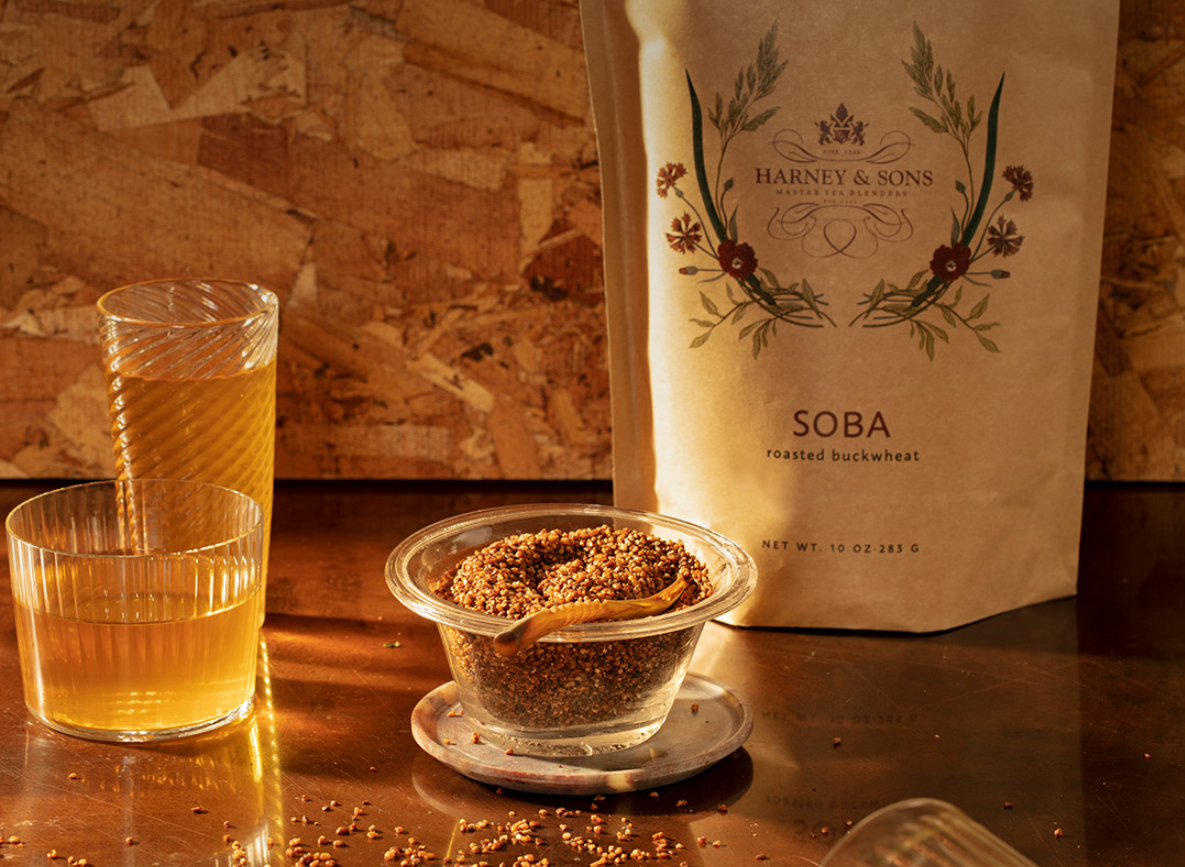
Tea consists mostly of water, so water quality directly impacts final flavor. Heavily chlorinated tap water introduces chemical notes that mask tea’s inherent character. Hard water with high mineral content can prevent proper extraction and create unpleasant cloudiness. Distilled or highly demineralized water produces flat, lifeless brews.
The ideal water contains moderate minerals enough to support flavor extraction but not enough to overwhelm. Filtered water addresses chlorine and obvious contaminants. Spring water from reputable sources offers natural mineral balance. Some tea enthusiasts maintain separate brewing water specifically for premium teas, recognizing that water quality represents an investment in unlocking leaf quality.
The Ceremony and Mindfulness: Why Process Matters
Beyond technical variables, tea’s deepest benefits emerge from the ceremony the intentional pause, the focused attention on sensory experience, the unhurried preparation. Japanese tea ceremony traditions specify exact movements and sequences not from arbitrary tradition but because deliberate action cultivates presence and awareness. When you slow down to properly heat water, measure leaf, observe color development, and mindfully taste each sip, you’re not wasting time you’re creating the mental and emotional conditions where tea’s qualities fully register.
The simple act of brewing tea becomes a form of meditation that settles attention, grounds presence, and creates transition space in otherwise frenetic days. Premium tea naturally invites this approach through its complexity and reward mediocre tea doesn’t warrant careful preparation, but excellent tea practically demands it, providing feedback that validates the attention you’ve invested.
- Water temperature determines extraction pattern white and green teas need gentle heat (160-180°F), black teas tolerate full boil (210°F).
- Steeping time interacts with temperature to control flavor extraction; start with guidelines then adjust based on preference.
- Leaf-to-water ratio provides independent control of strength without compromising technique or risking bitterness.
- Water quality significantly impacts flavor; filtered or spring water dramatically improves results over heavily treated tap water.
- Premium loose leaf rewards multiple infusions, with each steeping revealing different flavor character as leaves gradually unfurl.
Infusion and Re-infusion: One Leaf, Multiple Experiences
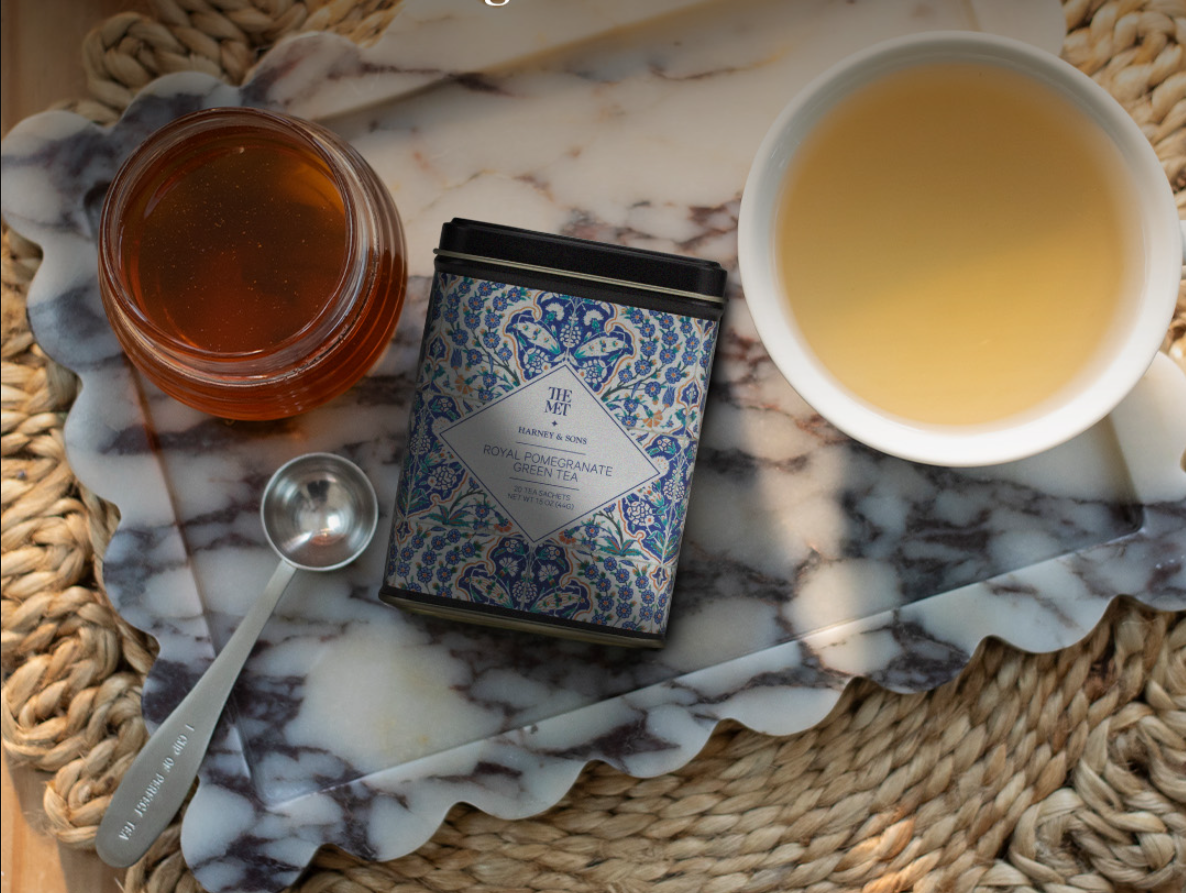
Premium loose leaf tea, particularly higher-grade oolongs and some green teas, reveals new character with each successive infusion. The first steep extracts surface compounds. Subsequent steepings allow water to penetrate leaf structure more completely, revealing different flavor dimensions and allowing tightly rolled leaves to gradually unfurl and express their full character.
This re-infusion capacity represents one of premium loose leaf’s genuine advantages over tea bags. A single infusion of quality oolong might deliver fruity, honey-like notes. The second steeping might emphasize floral complexity. The third could reveal toasted, roasted character. Experienced tea drinkers exploit this progression intentionally, enjoying the shifting experience across multiple infusions and feeling they’re more completely honoring the leaf’s potential.
Brewing Harney & Sons premium selections with the intention of multiple infusions transforms the economics a single serving of quality oolong becomes four or five separate tea experiences, each distinct and rewarding.