


Premium loose leaf tea represents far more than a comforting beverage. Modern scientific research continues to validate what tea cultures have understood for centuries that carefully cultivated and properly prepared tea delivers measurable health benefits alongside genuine pleasure. Understanding these wellness advantages transforms how many people approach daily tea consumption, shifting it from simple habit to intentional health practice.
The difference between mass-produced tea bags and premium loose leaf selections matters significantly for wellness outcomes. Whole leaves, stems, and buds contain exponentially more beneficial compounds than the dust and broken fragments found in commercial tea bags. Harney & Sons premium loose leaf selections provide the complete botanical profile that delivers optimal wellness potential.
Antioxidant Power: Polyphenols and Catechins at Work

Tea leaves contain polyphenols, a class of powerful antioxidants that defend cells against oxidative stress and free radical damage. Green and white teas contain particularly high concentrations of catechins, specific polyphenols linked to numerous wellness benefits. Black teas, though processed differently, retain substantial antioxidant activity through theaflavins and thearubigins oxidized forms of polyphenols created during fermentation.
The antioxidant content of loose leaf tea far exceeds that of tea bags, simply because whole leaves provide a greater surface area of bioactive compounds. A single high-quality oolong or green tea leaf contains more beneficial polyphenols than an entire bag of commercial tea dust. Research suggests these antioxidants support cellular health, protect against premature aging at the cellular level, and may help reduce inflammation throughout the body.
Selecting antioxidant-rich teas from Harney & Sons gives you direct access to these compounds. Green teas, particularly Japanese varieties, rank among nature’s most potent sources of protective polyphenols. White teas, processed minimally, preserve these beneficial molecules in their original form.
Cardiovascular Support Through Gentle Bioactive Compounds

Regular tea consumption correlates with measurable cardiovascular benefits in epidemiological studies worldwide. The mechanisms involve multiple pathways: improved vascular function, better cholesterol profiles, and reduced blood pressure in regular tea drinkers compared to non-consumers. These benefits don’t require extreme consumption moderate daily tea drinking, around three to four cups, appears to provide meaningful cardiovascular support.
Black tea drinkers show particular cardiovascular benefits, likely due to theaflavins and other compounds created during oxidation. Oolong tea occupies a middle position, offering antioxidant benefits approaching green tea while delivering the satisfying body of black tea. The consistency matters more than the specific type making tea a daily ritual provides more benefit than occasional consumption.
Harney & Sons collections offer excellent options for building a sustainable daily tea practice. Finding flavors you genuinely enjoy ensures you’ll maintain the habit consistently, maximizing wellness benefits over weeks and months of regular consumption.
Cognitive Support and Mental Clarity
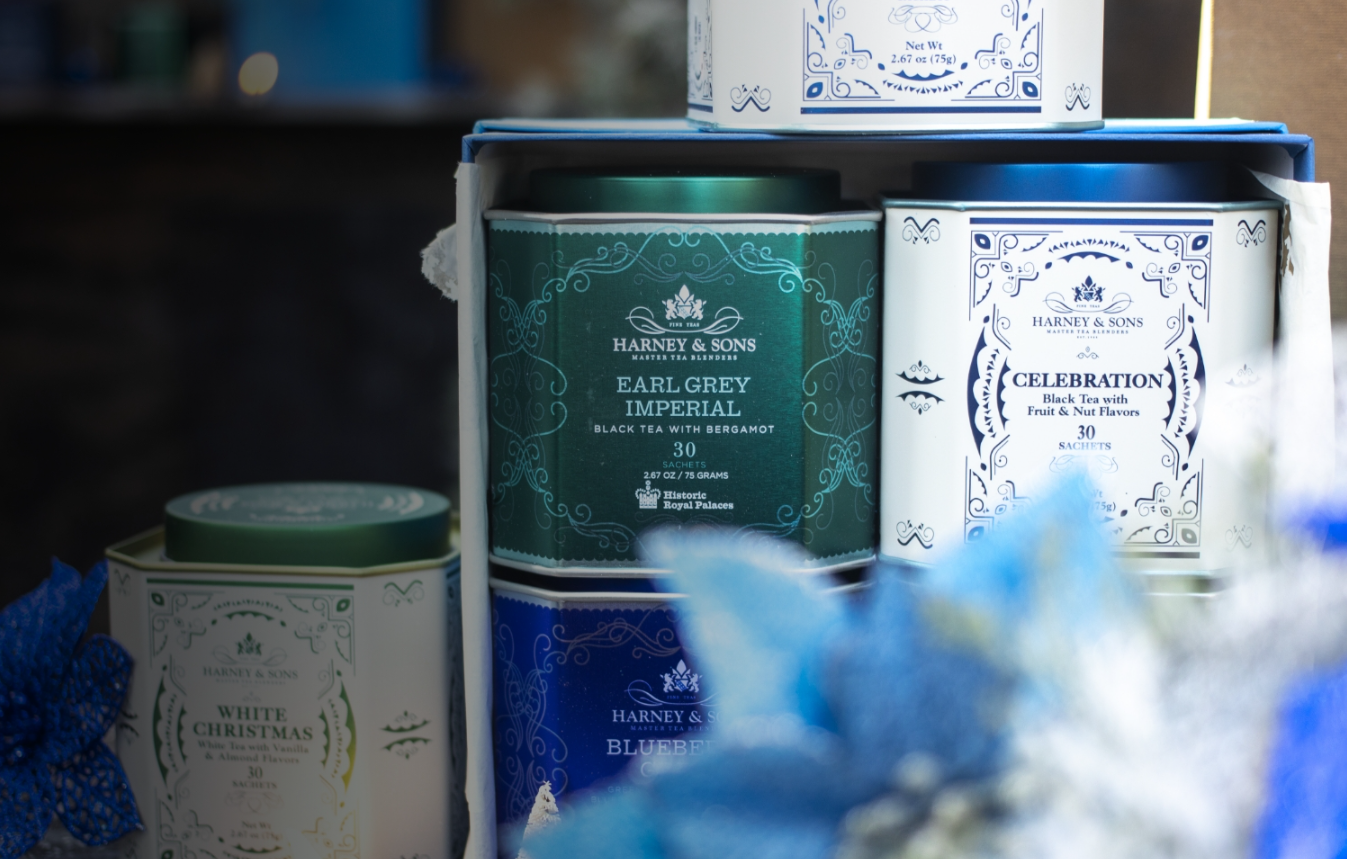
Tea contains L-theanine, an amino acid that works synergistically with caffeine to enhance focus and mental clarity while promoting calm alertness. Unlike coffee’s potential for jitteriness, the L-theanine and caffeine combination in tea produces sustained mental energy with a sense of relaxation. This unique profile makes tea ideal for sustained mental work, study, or creative endeavors.
Green tea, in particular, delivers optimal L-theanine content relative to caffeine, making it a preferred choice for those seeking cognitive support without stimulation. White tea provides similar benefits with even less caffeine intensity. Regular tea drinkers report improved concentration, better memory retention, and reduced afternoon mental fatigue compared to non-tea drinkers.
The ritual aspect of tea preparation the pause it creates in your day enhances cognitive benefits beyond the chemical compounds alone. Taking five minutes to brew and mindfully consume tea provides both chemical and psychological support for mental performance.
Building a Wellness-Focused Tea Practice
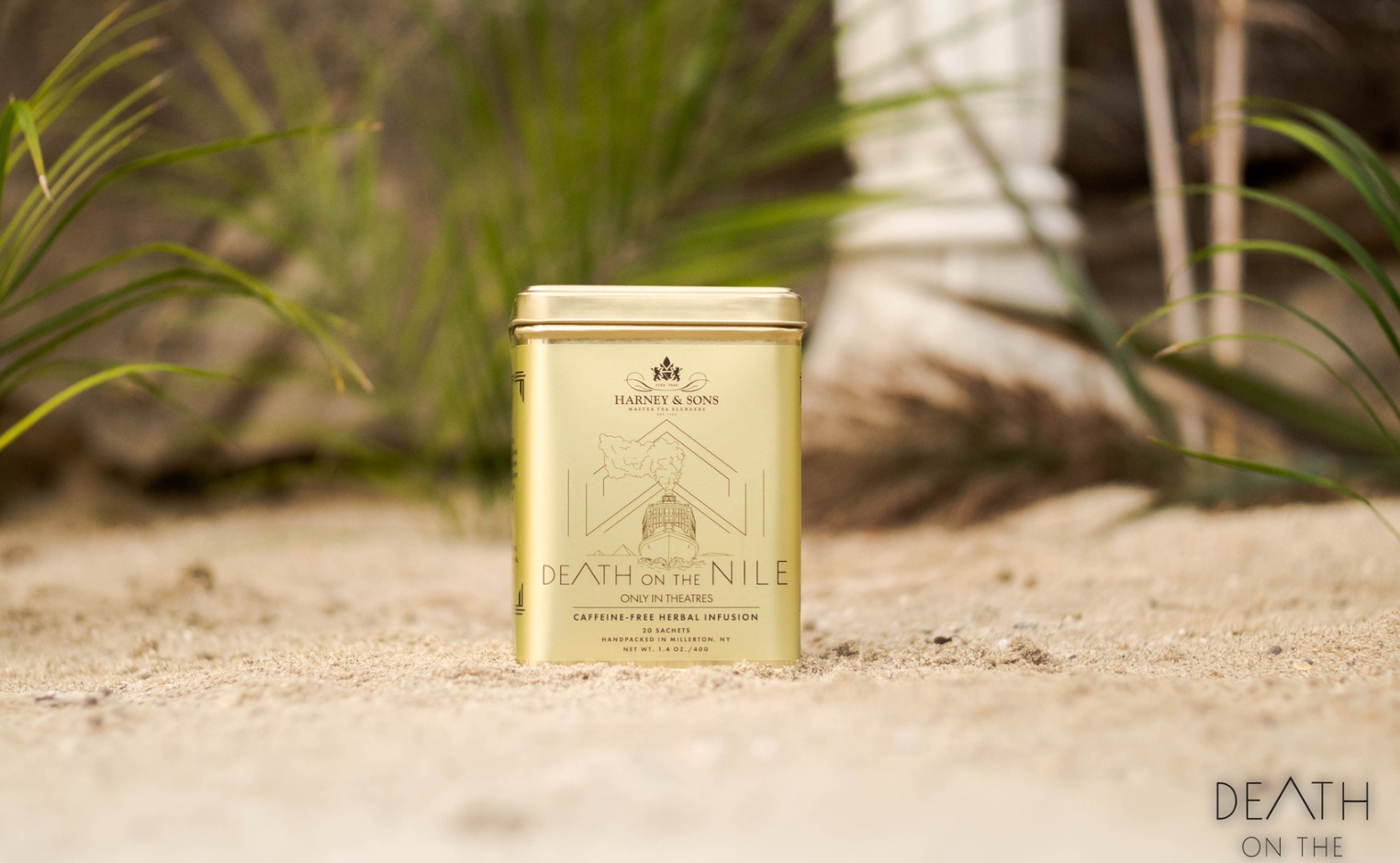
The most important wellness benefit comes from consistency. Choosing teas you genuinely look forward to drinking ensures you’ll maintain the practice over months and years the timeframe necessary for meaningful wellness benefits. Premium loose leaf tea creates this consistency because the sensory experience aroma, flavor complexity, the ritual of preparation naturally encourages regular consumption.
Start by selecting one tea from each major category and establishing a simple daily rhythm. Morning black tea provides sustained energy and cognitive support. Afternoon oolong or green tea offers gentle afternoon sustenance. Evening herbal selections provide digestive and relaxation support. This varied approach ensures you receive the full spectrum of wellness benefits tea offers.
- Antioxidants in whole loose leaves provide cellular protection that dust-based tea bags cannot deliver.
- Black tea supports cardiovascular health through theaflavins and polyphenols unique to oxidized tea.
- Green and white teas offer maximum antioxidant content with gentle caffeine for sustained mental clarity.
- L-theanine and caffeine combination in tea produces focused calm cognitive support without jitteriness.
- Building a daily tea practice with varieties you genuinely enjoy maximizes long-term wellness benefits through consistency.
Digestive and Metabolic Support
Herbal infusions and certain true teas support digestive health through multiple mechanisms. Peppermint and ginger-based herbal blends soothe digestive processes and ease discomfort. Green tea compounds may support healthy metabolism and body composition through multiple cellular pathways. Oolong tea appears to occupy a special middle ground, with some research suggesting it supports metabolic health in unique ways compared to other tea types.
The warming nature of tea itself aids digestion by promoting gastric secretions. Many cultures incorporate tea after meals specifically for this supportive function. Harney & Sons herbal and specialty tea selections provide excellent options for post-meal tea practice, allowing you to support digestive health while enjoying sophisticated flavors.