

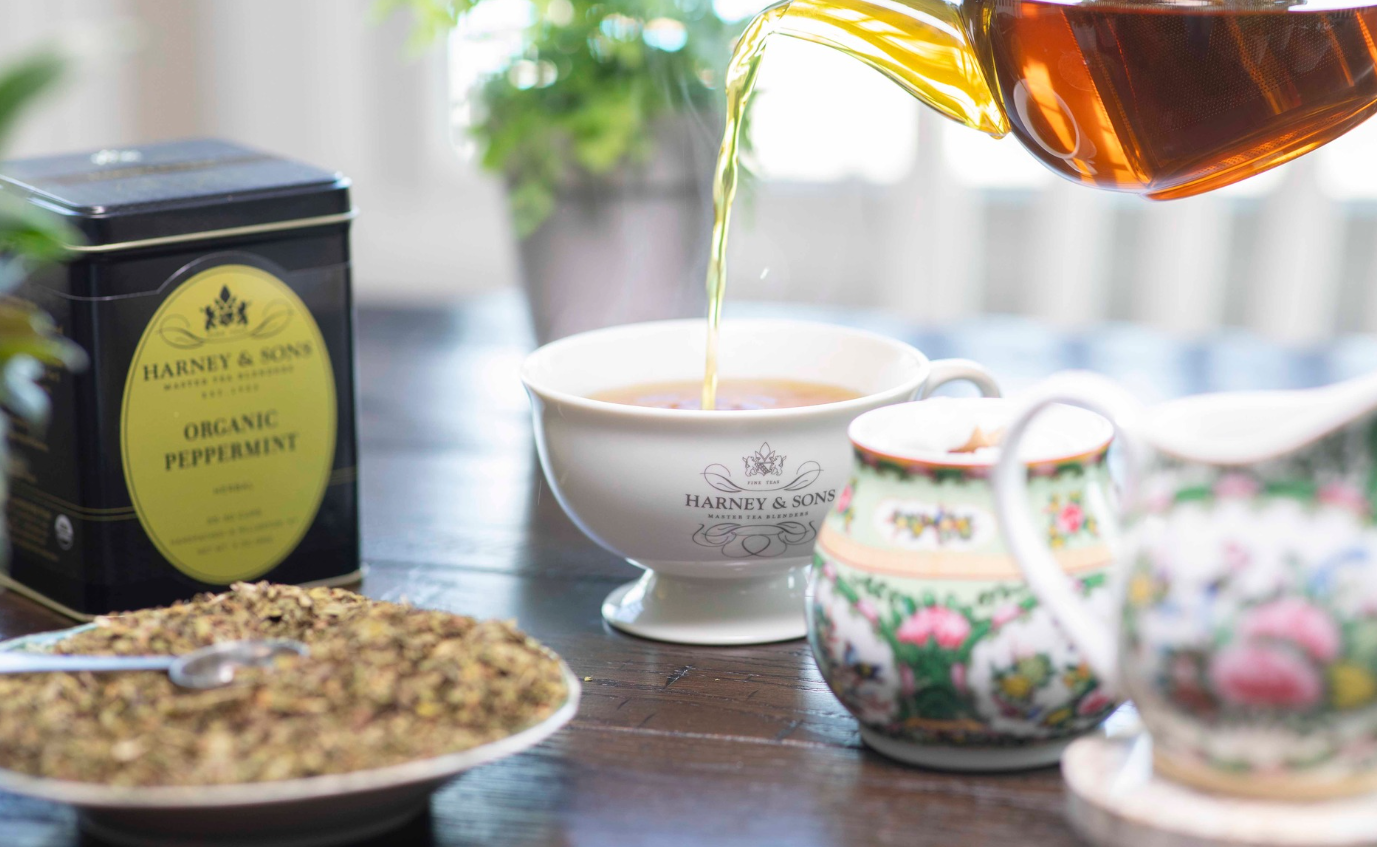
The world of premium tea extends far beyond what most people discover in grocery stores. Harney & Sons stands as a gateway into this vast universe of flavors, origins, and traditions. Whether you seek the robust depth of a black tea, the delicate nuance of a white tea, or the earthiness of an herbal blend, understanding the basics of tea selection transforms your daily ritual into a moment of genuine discovery.
Premium teas are categorized by oxidation level, origin, and processing method. This classification system isn’t arbitrary it directly influences how the tea tastes, how it brews, and what experience it delivers. Learning these distinctions empowers you to make intentional choices rather than grabbing whatever package looks appealing.
Understanding Black Tea: Bold, Full-Bodied, and Energizing
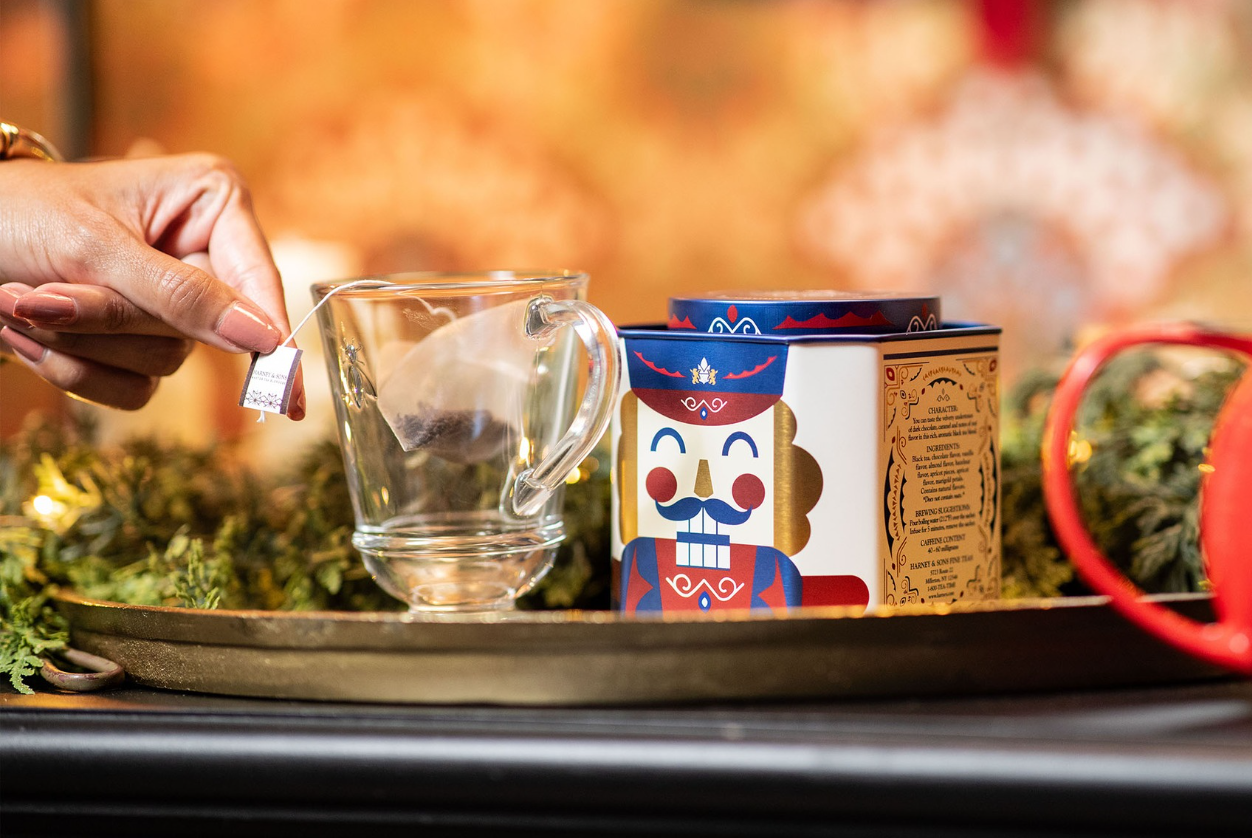
Black tea represents the most oxidized category of true tea, meaning the leaves undergo the longest processing period. This extensive oxidation creates the characteristic dark color and robust flavor profile that many people associate with classic “tea.” Harney & Sons offers exceptional black teas that range from single-origin selections to carefully crafted blends.
Assam teas from India deliver malty sweetness and body, making them ideal for breakfast. Darjeeling, often called the “champagne of teas,” provides floral notes with subtle fruitiness. Ceylon teas bring brisk, clean characteristics. Each origin carries its own story, grown in specific altitudes and climates that impart unique qualities. The oxidation process of black tea also makes it naturally higher in caffeine, perfect for those seeking sustained morning energy.
When selecting a black tea, consider whether you prefer single-origin purity or the complexity of a blend. Harney & Sons black tea collection showcases both approaches, allowing you to sample different flavor profiles and discover your preference through direct experience.
Exploring Oolong Tea: The Middle Path of Oxidation
Oolong teas occupy a fascinating position between green and black teas, with oxidation levels ranging from 10 to 90 percent. This variability means oolong encompasses an enormous range of flavors and experiences. A lightly oxidized oolong might taste floral and fresh, while a heavily oxidized version delivers fruity, complex, sometimes even fermented notes.
Traditional oolong production, especially in Taiwan and China, involves labor-intensive rolling and oxidation techniques perfected over centuries. The result is a tea that many connoisseurs consider the most fascinating and rewarding category to explore. Oolongs often improve with repeated infusions, with each successive steeping revealing new flavor dimensions.
Purchasing oolong from Harney & Sons introduces you to carefully selected examples that represent the category’s diversity. Whether you choose a lighter, greener-style oolong or a darker, roasted variety, you’re sampling products refined through generations of cultivation and processing knowledge.
Herbal Blends and Specialty Infusions: Beyond True Tea
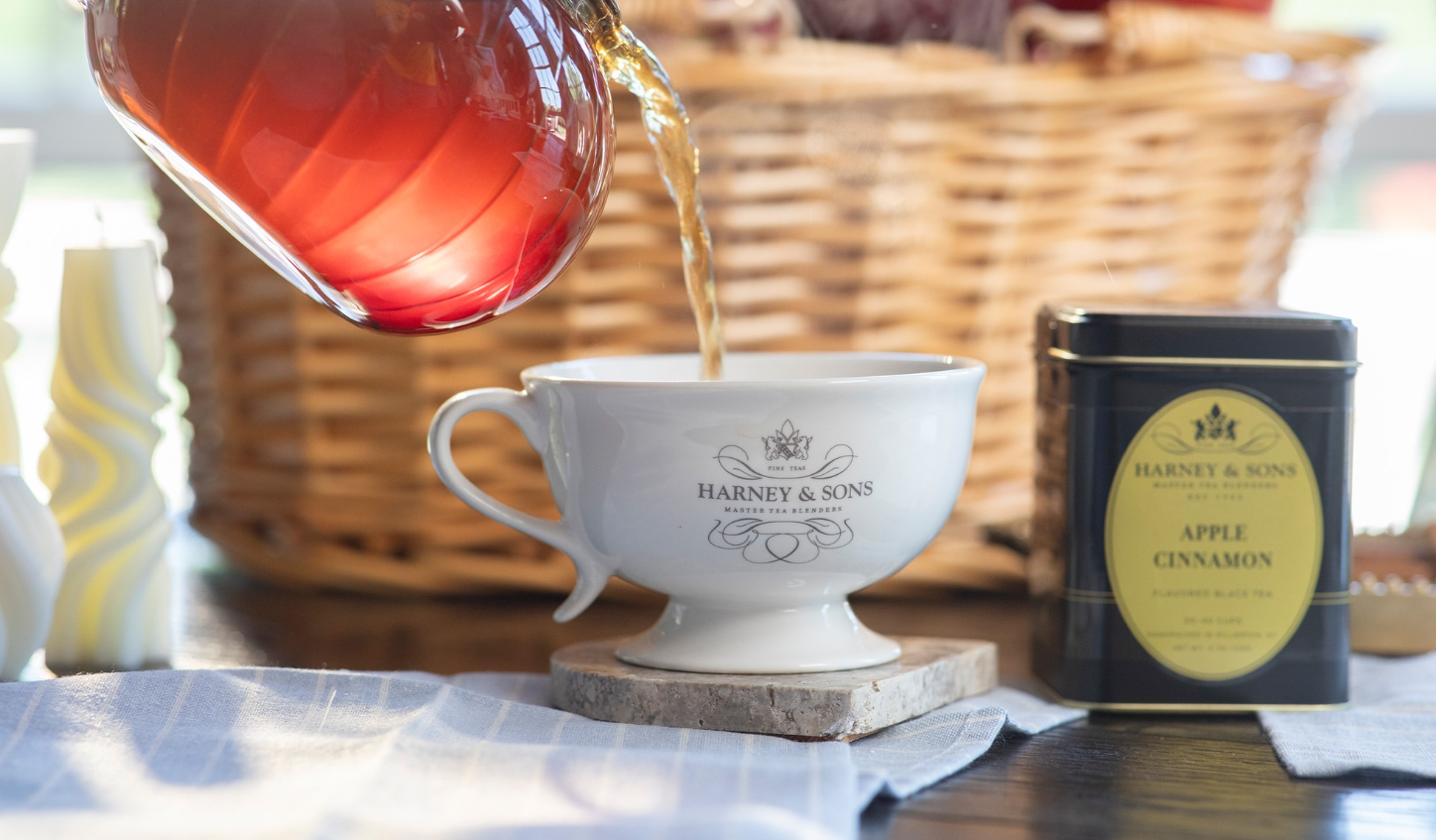
Herbal blends and specialty infusions technically fall outside the “true tea” category, since they contain no leaves from the Camellia sinensis plant. Instead, they combine flowers, fruits, herbs, and spices to create caffeine-free beverages suited to any time of day. This freedom from caffeine makes herbal options perfect for evenings or for people sensitive to stimulation.
Chamomile brings gentle relaxation, peppermint aids digestion, and fruit-forward blends provide natural sweetness without added sugar. Many premium blends combine multiple herbs and botanicals to create balanced, sophisticated flavor profiles that satisfy the same way a fine tea does.
Building your collection at Harney & Sons becomes easier when you understand these foundational categories. Browse their selections with this framework in mind, trying one from each major category. Within a few weeks, you’ll develop genuine preferences based on direct experience rather than assumption. Your perfect tea is waiting among their carefully sourced and thoughtfully assembled options.
- Black teas deliver bold, energizing, full-bodied experiences ideal for morning or afternoon steeping.
- Oolong teas offer complexity and tradition, improving with repeated infusions and careful attention.
- Green and white teas provide subtle, delicate flavors while preserving botanical compounds.
- Herbal blends expand possibilities beyond true tea, offering evening-friendly and caffeine-free options.
- Starting with one selection from each category builds a well-rounded collection that covers various moods and moments.
Green and White Teas: Delicate, Subtle, and Nutrient-Rich
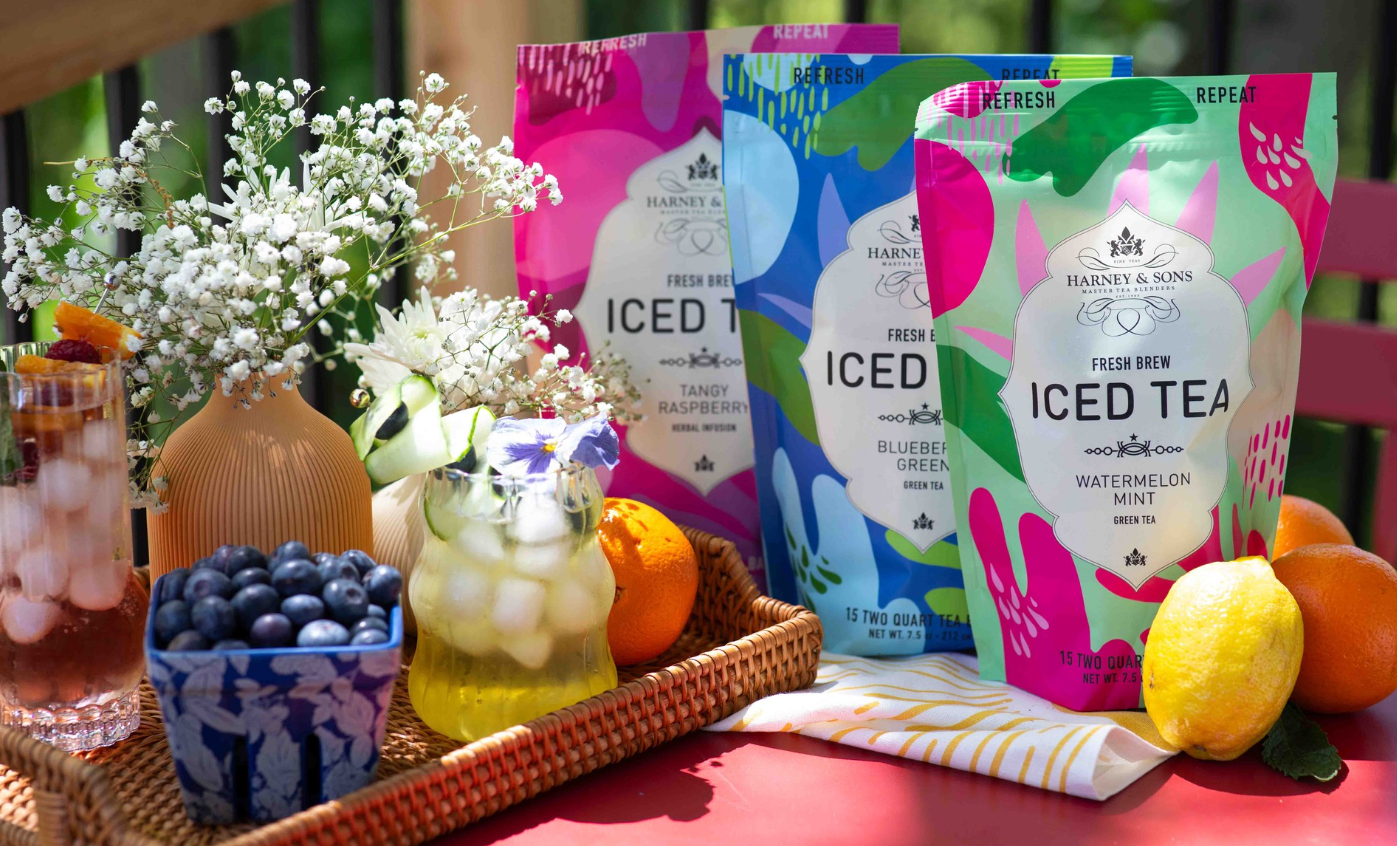
Green teas and white teas undergo minimal oxidation, preserving the fresh, delicate character of the leaf. This light processing means these teas retain higher levels of certain beneficial compounds while delivering subtle, nuanced flavors that require a more attentive palate to fully appreciate.
Green teas from China and Japan offer distinctly different profiles. Chinese green teas often feature toasty, slightly sweet notes from pan-firing, while Japanese greens bring grassy, vegetal characteristics from steaming. White teas, the least processed of all, deliver pure floral and slightly sweet notes with remarkable subtlety.
These lighter teas pair beautifully with mornings when you seek calm energy rather than bold stimulation. Many people find that switching to green or white tea in the afternoon prevents sleep disruption while still providing gentle caffeine and the meditative ritual of tea drinking. Harney & Sons curates premium green and white selections that showcase what refined, minimally processed tea can deliver.