

A team celebration works when colleagues can relax without feeling trapped in another meeting. The right event gives quieter people something to engage with, offers energetic people room to participate and avoids making managers responsible for manufacturing fun.
Move Beyond the Usual Meal and Small Talk
A restaurant booking may be convenient, but it often reproduces the same social patterns found at work. Close colleagues sit together, senior staff dominate one end of the table and new employees struggle to enterestablished conversations. An entertainment element changes the focus. Attention moves away from job titles and toward a shared story or performance.
The event should not become a disguised workshop. Icebreakers, speeches and formal awards can make colleagues feel observed rather than appreciated. A brief expression of thanks from a leader may be appropriate, but the main experience should belong to the group. People connect more naturally when they have something enjoyable to discuss without being told what the lesson should be.
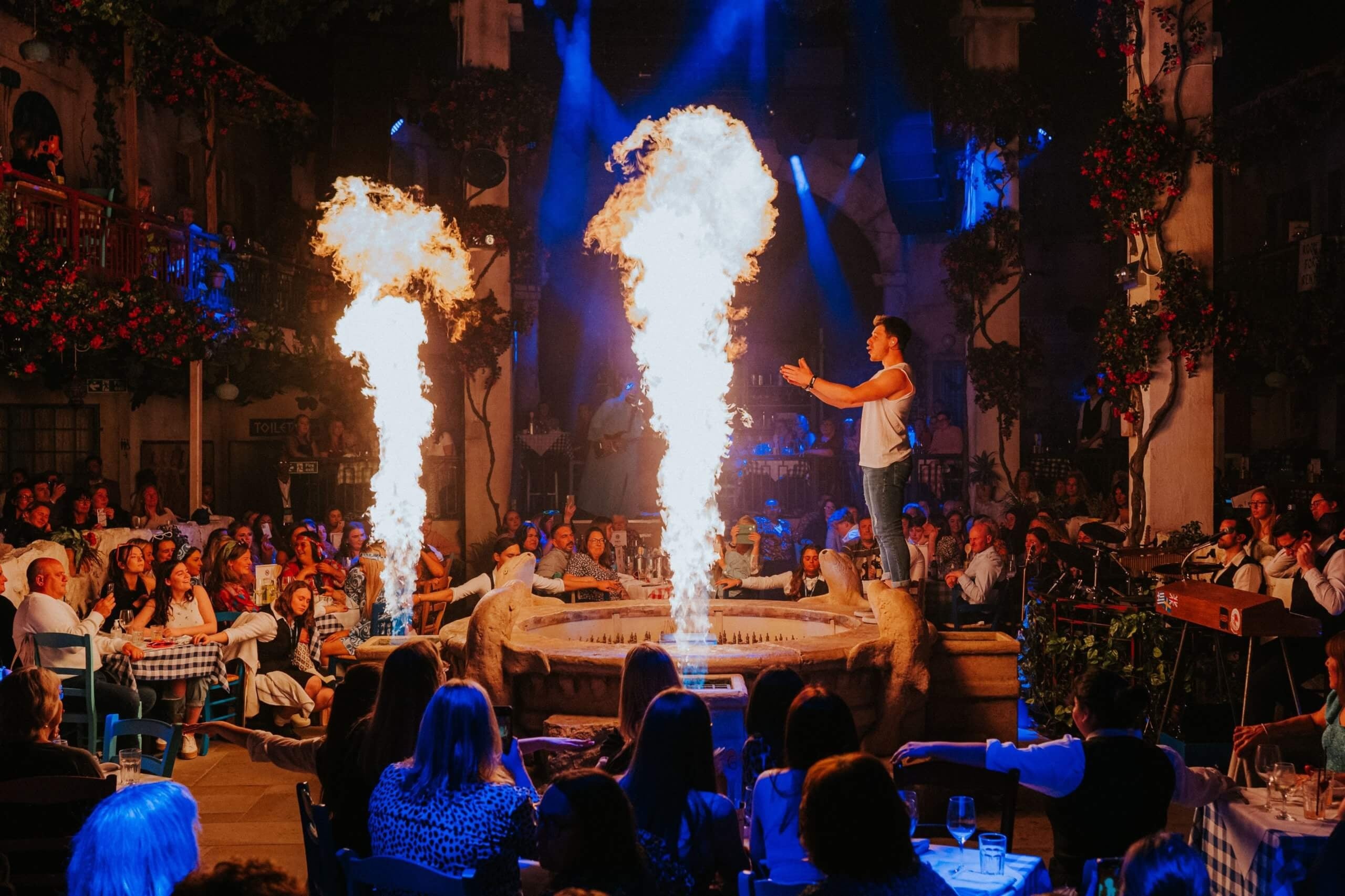
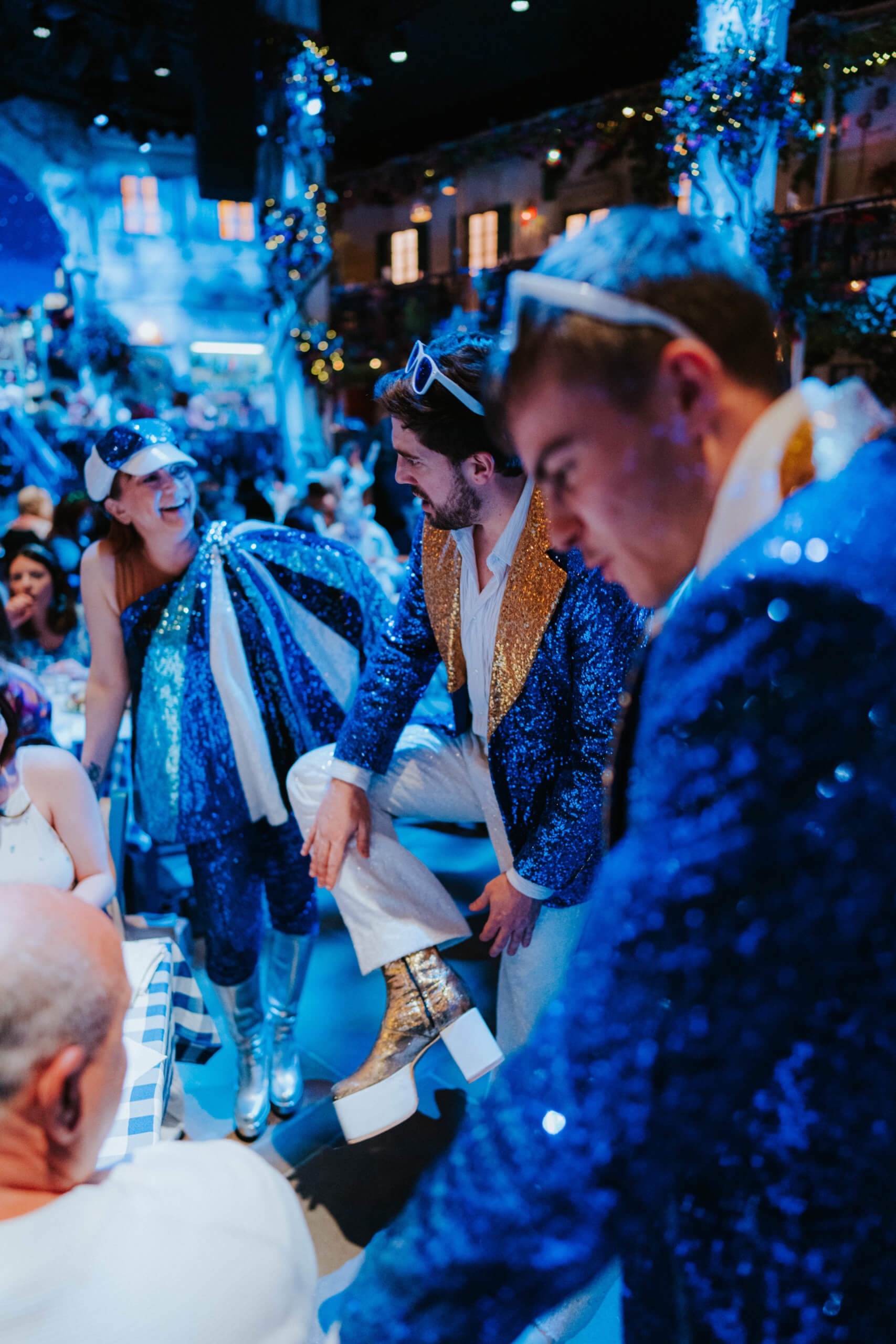
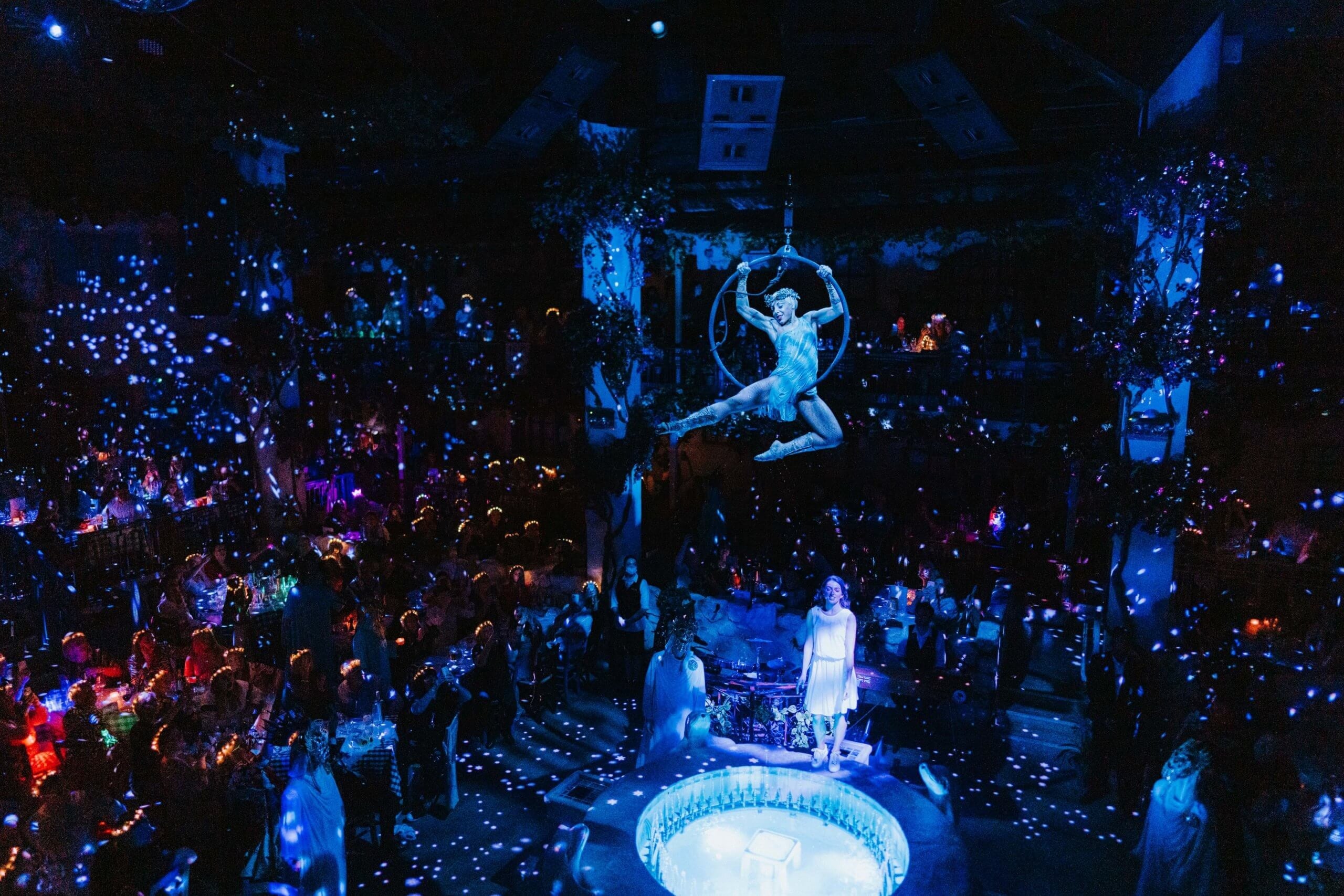
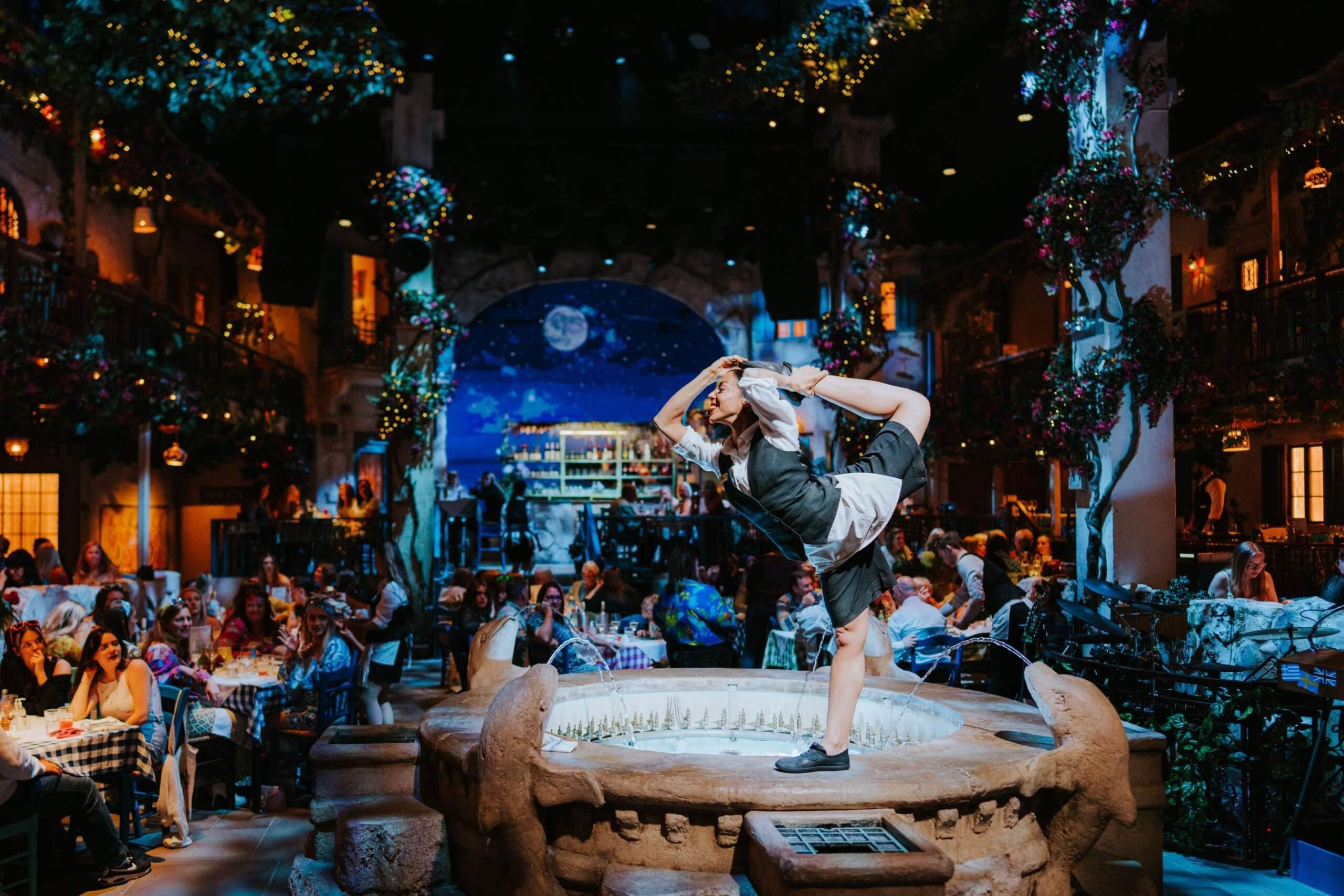
For a team that enjoys music and lively theatre, Mamma Mia! The Party offers a combined meal and immersive performance at The O2. The Greek taverna setting and ABBA soundtrack give colleagues a subject beyond work. The disco finish allows willing participants to dance while others remain part of the same occasion. The brand functions as the practical host of the evening rather than the centre of a corporate message.
Give Different Personalities More Than One Way to Join
A strong team event does not define participation as loudness. One colleague may enjoy watching the performance closely. Another may talk with teammates during the meal. Another may join the dancing at the end. All three can be fully involved. Managers should avoid teasing people who choose a quieter form of participation.
At Mamma Mia! The Party, the action takes place around the dining area, which can give the table repeated points of shared attention. That structure may reduce pressure on colleagues who dislike long stretches of small talk. It also helps people from different departments connect through immediate observations rather than searching for safe work topics.
Seating can support broader interaction without becoming social engineering. A planner might mix departments gently while keeping at least one familiar colleague near each new starter. Couples or close friends do not need to be separated as a rule. The goal is comfort with a little variety, not forced networking.
Practical Checks for a Work Group
A company booking with Mamma Mia! The Party should be organised with the same care as any other workplace event. The planner needs clear information and private ways for employees to share personal requirements.
• Attendance remains optional without affecting how commitment is judged.
• Dietary needs are collected privately and passed to the venue.
• Access and sensory requirements are discussed before seating is confirmed.
• The company states which costs it will cover before employees accept.
• Travel home is considered for colleagues who do not drink or drive.
Alcohol should never be presented as the main reward. A celebration can include drink options while keeping non-alcoholic choices equally normal. Leaders set the tone through their behaviour. When managers respect boundaries, employees can relax without wondering whether the event will produce an uncomfortable story at work.
Keep Recognition Natural
A team may be celebrating a completed project, a company milestone or a demanding period of work. Recognition matters, but a long presentation can interrupt the social purpose. A brief statement of thanks before the entertainment begins may be enough. Specific appreciation feels more sincere than exaggerated praise, especially when it recognises different kinds of contribution.
Individual awards require care. Humorous categories can embarrass employees or reinforce office stereotypes. Formal awards may belong in a separate setting where achievements can be explained properly. The social event should not create winners and spectators unless that format is already part of the team culture. Shared recognition keeps the occasion inclusive.
Recognition can also appear through practical choices. A company that covers the agreed booking costs, offers suitable travel support and respects an employee’s decision not to attend communicates appreciation through action. Those choices often carry more weight than decorations or slogans because they reduce personal cost and protect dignity. The social tone becomes warmer when colleagues do not have to calculate what participation will take from their own time or budget.
Measure Success by the Conversation Afterward
A team celebration succeeds when colleagues return with easier relationships and a positive shared reference. The value is not measured by how many people danced or how late the group stayed. It appears in small changes such as a new conversation across departments or a new starter feeling more included.
For a group that wants food and entertainment in one place, Mamma Mia! The Party can provide a clear centre for the celebration. The planner can check group booking information, confirm employee needs and keep formal content brief. That approach lets the experience do its work while the company shows appreciation without turning the evening into another assignment.