

Modern music production increasingly blurs the line between technology and artistry. Composers and producers are no longer limited by physical spaces or access to live ensembles. High quality virtual instruments now play a central role in shaping expressive and immersive scores. Among the companies pushing this creative frontier forward is Spitfire Audio, a developer known for deeply detailed virtual instruments that place musicality first.
These tools are designed for creators who value realism, nuance, and emotional impact. From intimate solo textures to sweeping orchestral arrangements, the product ecosystem supports a wide range of creative goals while remaining accessible to both emerging and experienced composers.
Keypoints
- Deeply sampled instruments recorded in world class studios
- Intuitive interfaces that encourage musical exploration
- Broad product range covering orchestral, cinematic, and experimental needs
- Designed to integrate smoothly into professional workflows
- Trusted by composers working across film, television, and games

A Philosophy Rooted in Musical Expression
At the heart of Spitfire Audio lies a focus on capturing the human element of performance. Instead of chasing sterile perfection, the libraries emphasize natural phrasing, subtle imperfections, and authentic dynamics. This approach gives composers tools that feel alive rather than mechanical.
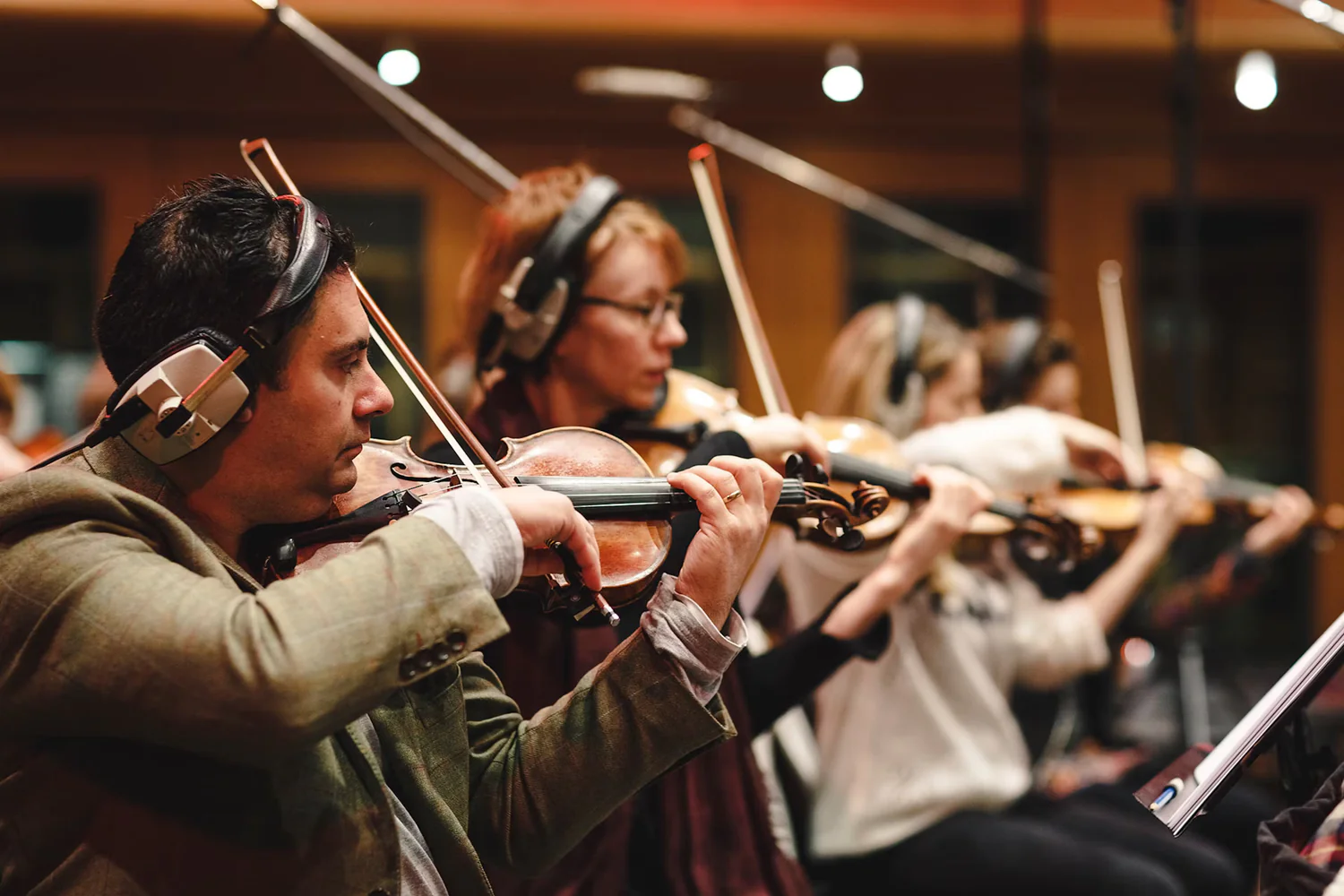
Recording sessions typically involve renowned musicians performing in acoustically rich spaces. Multiple microphone positions allow users to shape perspective and depth, making it easier to blend instruments into complex mixes. This attention to detail is especially valuable when working with orchestral sample libraries, where realism depends on both performance and ambience.
The result is a collection of instruments that respond musically to velocity, modulation, and articulation changes. Rather than fighting the software, users are encouraged to play and discover ideas organically.
Flagship Libraries and Product Range
The catalog from Spitfire Audio spans traditional orchestral sections, hybrid cinematic tools, and experimental sound design. Core orchestral collections provide strings, brass, woodwinds, and percussion with extensive articulations suitable for detailed scoring work.
Beyond the orchestra, there are products focused on evolving textures, atmospheric pads, and unconventional instruments. These libraries often appeal to composers seeking fresh sonic palettes without abandoning musical coherence. They are particularly effective in genres where emotion and mood take precedence over technical complexity.
Many tools are designed to work seamlessly together, allowing creators to layer sounds and build depth quickly. This cohesion is a major reason the products are frequently chosen for large scale scoring projects that demand consistency across cues.

Workflow and Creative Flexibility
One of the strengths of Spitfire Audio products is how they support fast and flexible workflows. The user interfaces are clean and focused, reducing the need for constant technical adjustments. Common controls such as dynamics, expression, and articulation switching are presented clearly, helping users stay in a creative mindset.
Compatibility with major digital audio workstations ensures smooth integration into existing setups. Whether composing to picture or producing standalone music, the libraries load efficiently and respond predictably. This reliability is critical in professional environments where deadlines are tight.
For composers who rely heavily on orchestral sample libraries, the ability to sketch ideas quickly and then refine them without switching tools adds significant value. The products scale well from early concepts to final production.
Pros and Cons for Modern Composers
Evaluating these tools from a practical perspective helps set realistic expectations and highlights where they shine most.
Pros
- Exceptionally realistic performances that enhance emotional impact
- Wide stylistic range suitable for cinematic and contemporary projects
- Thoughtful interfaces that prioritize musical flow
- Consistent sound quality across different libraries
Cons
- Larger libraries may require substantial storage space
- Premium quality often comes with a higher price point
- Beginners may need time to explore the full depth of articulations

Who Benefits Most from These Tools
Composers working in film, television, and interactive media often gravitate toward Spitfire Audio because the products translate emotion effectively. The libraries are equally useful for songwriters and producers who want to add organic elements to electronic or hybrid tracks.
Educators and students also benefit from exposure to high quality orchestral sample libraries, as they provide insight into orchestration and arrangement without the need for live ensembles. The tools encourage experimentation while maintaining professional standards.
Practical Use Cases
- Film and television scoring requiring expressive orchestral textures
- Game music that adapts dynamically to player interaction
- Hybrid productions blending acoustic and electronic elements
- Ambient and experimental compositions focused on mood
A Lasting Investment in Sound
Choosing the right virtual instruments can shape a composer’s voice over time. With its emphasis on authenticity, playability, and emotional depth, Spitfire Audio offers tools that grow alongside the artist. Rather than chasing trends, the products focus on timeless musical qualities that remain relevant across styles and projects. For creators seeking instruments that inspire rather than constrain, these libraries represent a thoughtful and enduring approach to modern music production.